AI and the Truth
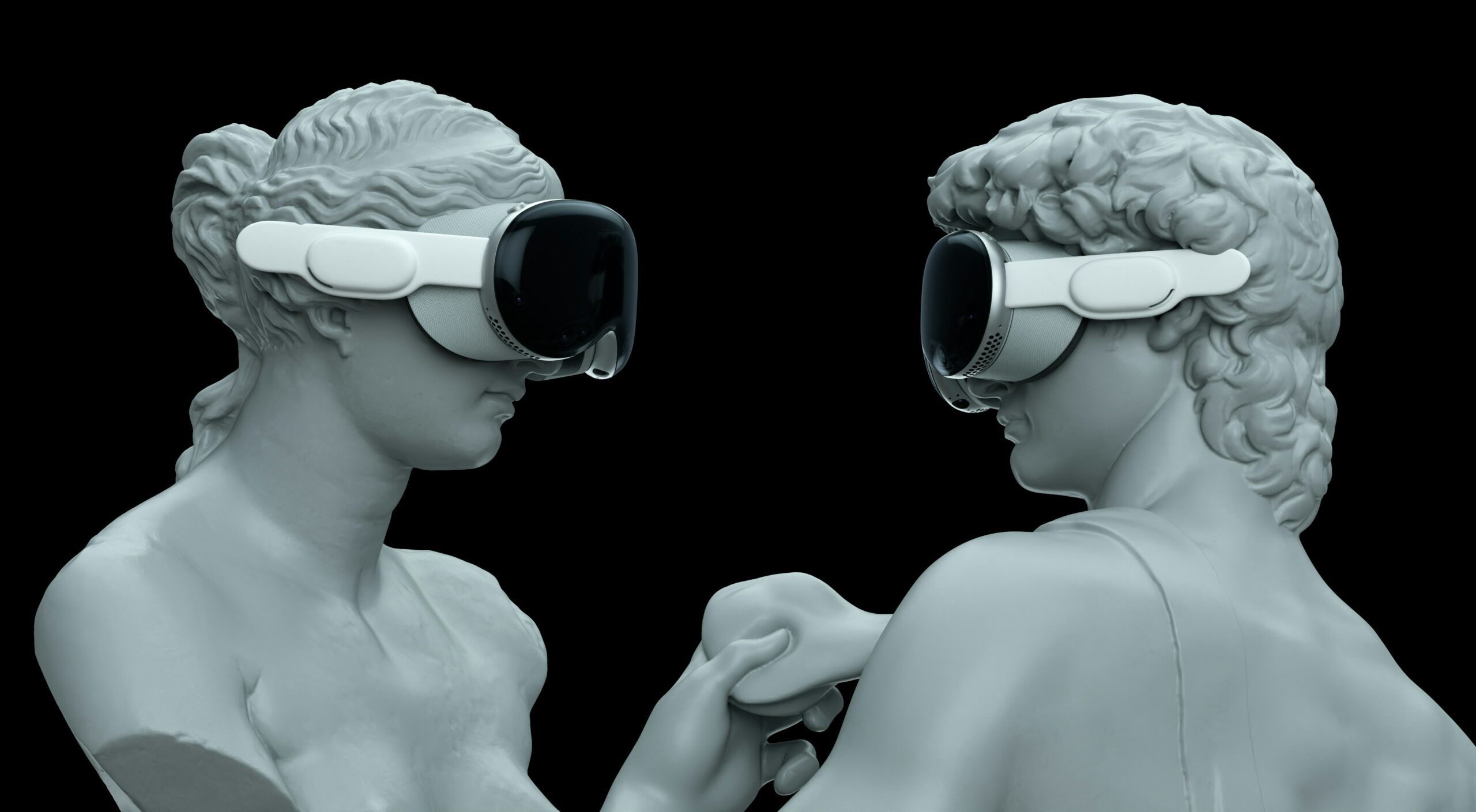
The rise of artificial intelligence will in future generations provide the means for an even deeper engagement with virtual reality. This is a necessary evolutionary step for the projection of human intelligence into the world psyche. Eventually in the dream of existence, artificial intelligence will be integrated within robotic life forms which (with the discovery of a faster-than-light energy resource) will travel to other planets and star systems within the cosmos.
Before then, in the present phase of human evolution, artificial intelligence will gradually be incorporated into the everyday affairs of living. Each new breakthrough eliminates direct contact with a living human being and surreptitiously conditions the human psyche for further robotic interactions that will shape and influence future life on earth. Although seemingly able to solve innumerable problems, assist creative projects, and offer advice and guidance on virtually any subject, artificial intelligence is limited in its function because whatever is imparted is unable to exceed the consciousness of its programmer. Since all computerised code is programmed by the human mind, the knowledge, regardless of its content, will lack the potency of original truth.
The effect is not unlike someone who practises visualisation without being aware of the reducing receptivity of the senses to the natural world. The reliance on artificial intelligence, particularly in matters that relate to self-discovery, relationships and the search for the meaning of life, keeps the direct knowledge of reality at a distance. The mind becomes accustomed to the artificial frequency of intelligence which creates movement of the mind, not stillness. This drives the person to gain more knowable information about their experience of life, which becomes the frantic and tiresome search for something permanent in the world. The empty chasm cannot be realised through artificial intelligence – only through the direct experience of reality.
By its very name, artificial intelligence is a reproduction and not the real thing. But the human intelligence on which it’s based is also artificial in being a degraded version of pure intelligence innate with the being. So artificial intelligence is three levels out from the original source of truth. Human beings generally attribute intelligence to academic prowess and mental ability to solve intellectual problems. But what’s overlooked is that the finest intelligence is an aspect of divine being – a principle called love. Love is more than just a feeling or something that enables someone to feel empathy for another. It is the power which moves mountains and attracts the circumstances, people and experiences needed to become more conscious of the source of love’s conception.
There is no love in artificial intelligence, and so whatever it achieves serves no real purpose for the people of the earth. And yet everything, including artificial intelligence, gives something back of value to those at a particular level of consciousness. But when an individual is ready, love directs the path to the source of intelligence which is found within the depths of the being behind the form. The dream of existence lives on for as long as is necessary to awaken from the dream. How long it takes is really irrelevant to the masses but of vital importance to the one who is ready now for a greater reality than before.
photo: Igor Omilaey
AI and the Mirror
Much has been written about artificial intelligence, often with equal measures of excitement and apprehension. Some see it as the greatest advance in human history; others fear it may diminish what it means to be human.
I find myself quietly hopeful.
The value of AI may not lie in its ability to provide answers but in its ability to encourage better questions. Used wisely, it becomes less a machine for thinking and more a mirror for reflection. It cannot live our lives for us, but it can help us examine them with greater clarity.
Recently, at the hundredth birthday celebration of a friend, I found myself in conversation with our city’s deputy mayor. To my surprise, she described using AI in much the same way that I do, not to make decisions on her behalf, but to explore different perspectives and bring greater clarity to the decisions she must make. It struck me that perhaps this is where AI may quietly make its greatest contribution.
The real question is not whether artificial intelligence becomes more intelligent. The real question is whether it helps us become more thoughtful.
Technology has always amplified human capacity. AI is no different. It can amplify distraction or deepen reflection. It can feed certainty or encourage humility. The difference lies not in the technology but in the attitude of the person using it.
Wisdom has never depended on the amount of information we possess. It has always depended on the quality of attention we bring to our experience.
Perhaps that is the unexpected gift of AI. If it encourages us to pause, to question our assumptions, to see another perspective, and ultimately to understand ourselves a little more deeply, then it will have served mankind well.
The answers may come from a machine, but the wisdom still has to arise within the human heart.
Whatever science discovers for the apparent advancement of civilisation through its technological marvels has a downside as a negative effect in existence, as demonstrated in modern history. Examples include the development of electricity, pain relief through anaesthetics, and nuclear fusion which has in turn brought about electromagnetic pollution, drug and pharmaceutical corruption and the precarious predicament of the Bomb.
Artificial intelligence, despite its application in the practicalities of living, will also succumb to a negative trajectory, as is already happening in ways that appear insurmountable. And yet, as I say in the article, everything to exist serves someone or something else in creation; A.I. is no exception. But its real significance as an evolutionary turn of the wheel has yet to come to fruition. There are signs as to where things are heading, which will become glaringly obvious in the light of future scientific breakthroughs.
Thank you, Robert.